Drones
Overview
Drones, or Unmanned Aerial Vehicles (UAVs), are aircraft operated without a human pilot onboard.
They are used for everything from hobbyist photography to industrial inspections and military reconnaissance.
Most consumer drones use a multi-rotor design with four propellers (quadcopters) to hover and maneuver.
In 2026, these devices rely on advanced GPS, obstacle avoidance sensors,
and AI-driven software to make flight accessible to beginners while providing high-end data for professionals.
Typically drones rely on humans to navigate them therefore using radio transmissions to communicate with the user.
Mini Drones (Sub-250g)

Mini drones are the most popular consumer choice because they weigh less than 250 grams,
allowing them to bypass many strict registration requirements in countries like the US and UK.
Despite their small size, they feature high-quality stabilized cameras and impressive wind resistance.
They are designed for portability, often folding down to the size of a smartphone.
Professional Photography Drones
These drones prioritize image quality, featuring large sensors and multiple lenses for high-end cinematic production.
In 2026, the standard for professional aerial imaging has shifted toward triple-camera arrays that provide multiple focal lengths—typically a wide,
medium telephoto, and a 7x or 10x optical zoom—allowing creators to capture diverse perspectives without landing to change lenses.

FPV (First Person View) Drones
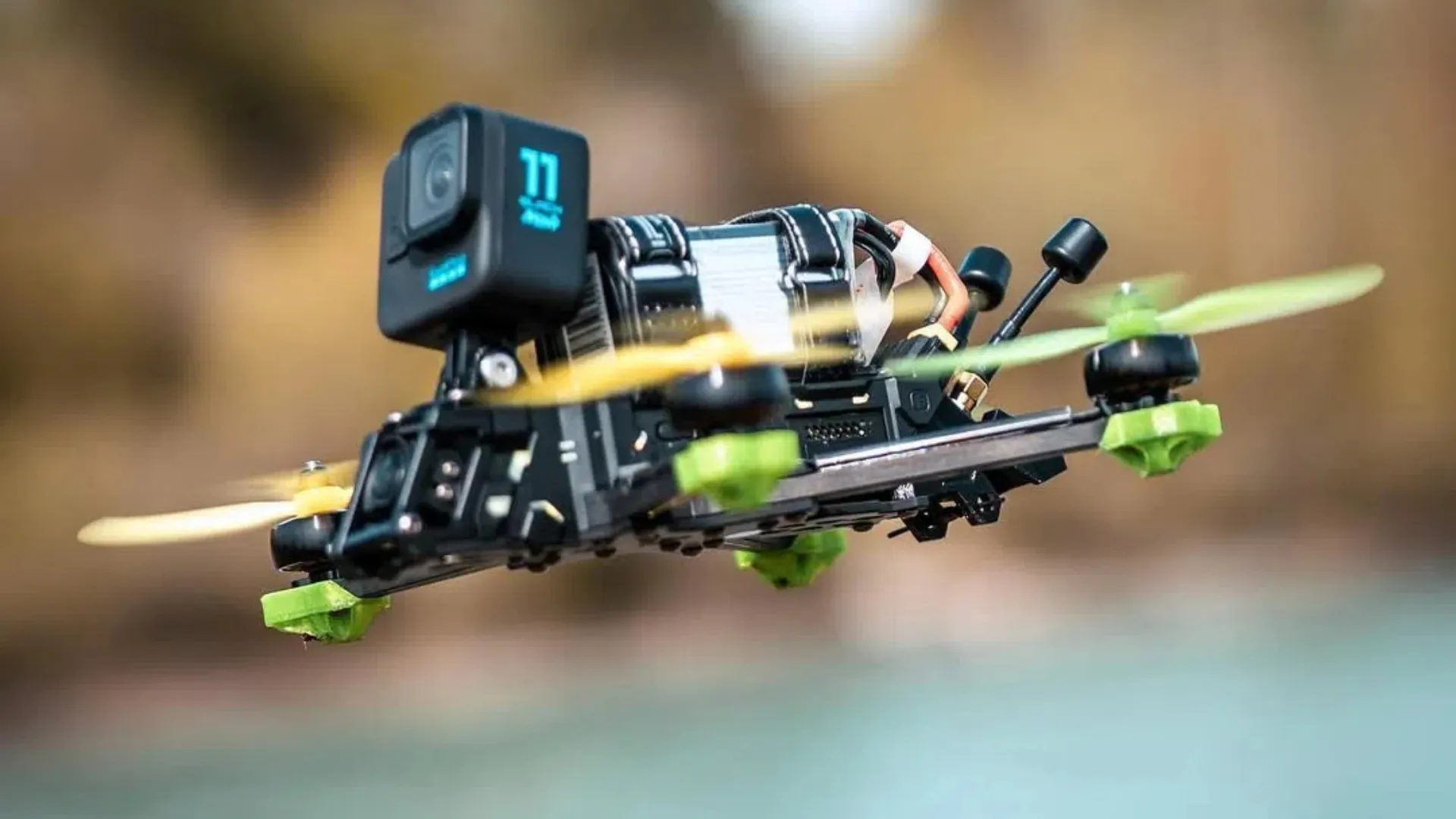
FPV drones offer an immersive experience where the pilot wears goggles to see exactly what the drone sees in real-time. Unlike standard drones, these often require manual control and can perform acrobatic flips and reach speeds over 100mph. They are used for high-speed racing and "cinewhoop" filmmaking, which involves flying through tight indoor spaces or following fast-moving subjects.
Enterprise and Thermal Drones
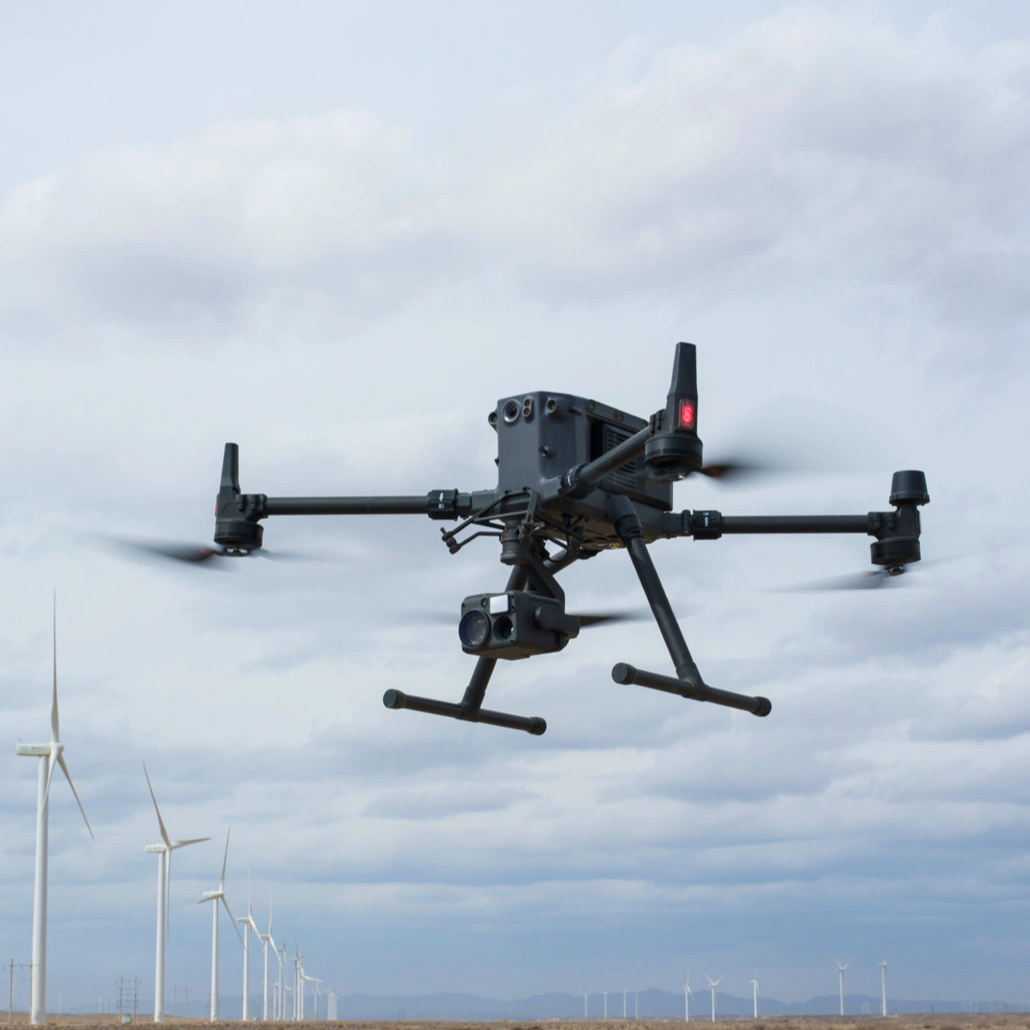
Enterprise drones are specialized tools built for industrial work rather than photography. They are often equipped with thermal sensors to find heat leaks in power lines,
zoom cameras for search and rescue missions, or LiDAR for creating 3D maps of construction sites.
These drones are ruggedized to fly in rain, snow, and extreme temperatures.
Agricultural Spraying Drones
Agricultural drones are massive heavy-lift vehicles designed to automate farming. They carry large tanks of liquid fertilizer or pesticides and use precision nozzles to spray crops based on GPS coordinates. One drone can cover the same area as several manual laborers in a fraction of the time, significantly reducing waste and increasing crop yields.

Military Drones
Military drones are unmanned aircraft used for surveillance,
reconnaissance (ISR), target acquisition, and direct combat,
operating remotely or autonomously to reduce risk to pilots and provide persistent presence,
ranging from small tactical units like the Black Hornet for squad support to large,
armed UCAVs like the MQ-9 Reaper for deep strikes, leveraging advanced sensors, AI,
and secure comms for situational awareness and precision attacks.
 Home
Support
Home
Support